Some cookies used are essential to providing a service, while others help us improve your experience and provide us with insights into how the site is being used.
For more detailed information about the cookies we use, see our Cookies page.
Necessary cookies enable core functionality such as security, network management, and accessibility. You may disable these by changing your browser settings, but this may affect how the website functions.
We'd like to set Google Analytics cookies to help us to improve our website by collecting and reporting information on how you use it. The cookies collect information in a way that does not directly identify anyone. For more information on how these cookies work, please see our 'Cookies page'.
We'd like to allow Social Media cookies to provide a richer experience. These cookies will allow us the ability to list Fife Council tweets and Facebook posts, Google maps, audio clips & Videos on some of our pages. Our videos use Youtube's privacy-enhanced mode.
These cookies allow us to show relevant adverts to the content you are viewing. They also provide the ability to deliver targeted online advertising across other platforms like Facebook, Google, Instagram and the Quantcast network.

Fife is experiencing significant economic, environmental, technological and demographic change.
By 2037 Fife’s older population is projected to increase by 23.6% while the number of children falls by 13.4%.
Over the past 10 years we’ve worked to develop skills, infrastructure, connectivity, climate resilience and inclusive local prosperity.
Fife has taken steps to strengthen the foundations for future prosperity and resilience. Investment in infrastructure and connectivity, including the Queensferry Crossing and the reopening of the Leven Rail Link, has improved access to opportunities and supported economic growth. Economic outcomes have improved, with employment remaining above pre-pandemic levels, earnings increasing over time and more employers committing to Real Living Wage accreditation.
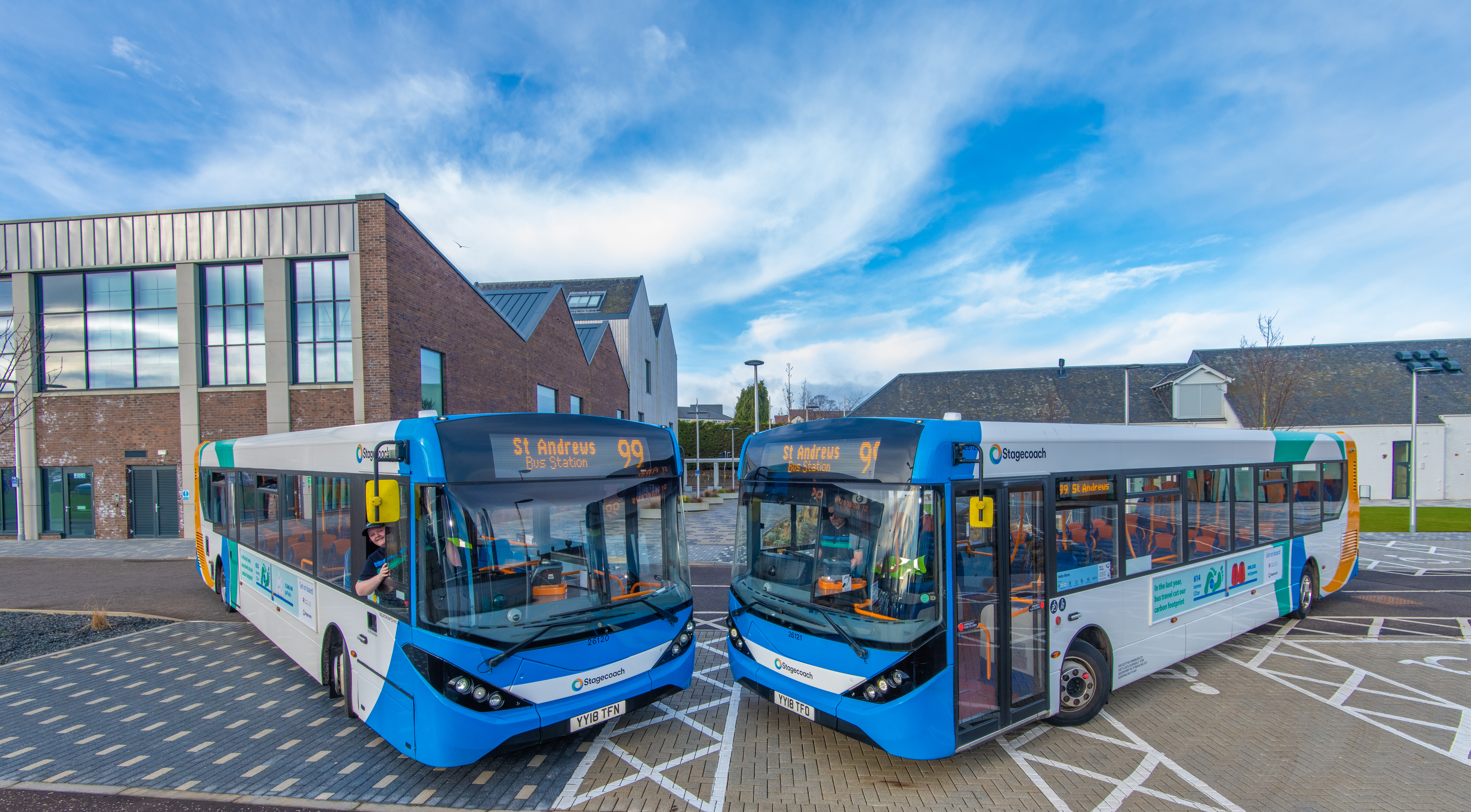
Fife has focused on sectors that will shape its future economy. Opportunities linked to energy transition, advanced manufacturing and major programmes such as the Forth Green Freeport are attracting investment. Emphasis has been placed on skills development, fair work and community wealth building to help ensure local people benefit from economic growth.
Climate adaptation work has expanded, carbon emissions have reduced over time, and major work is underway to develop future energy infrastructure through initiatives such as the Local Heat and Energy Efficiency Strategy.
Fife’s institutions may have insufficient resource and struggle to adapt fast enough to the changing world around us.
There is growing recognition that future prosperity will depend on resilience and adaptation as well as economic growth. The economy is going through a period of transition with significant shifts in demography, climate, technology, economic structures and public service demand.
Greater emphasis is being placed on regional economic partnerships with funding, particularly for employability, moving from local to regional allocations. This raises the challenge of navigating funding programmes between areas with distinct issues and priorities. Evidence suggests that Fife’s biggest long-term challenge is not simply generating economic growth but adapting successfully to these changes while ensuring the benefits are captured for Fife and shared across people and places. The scale and pace of change is likely to exceed the capacity of existing systems, available finances, workforce skills and ways of working, raising questions about how equipped Fife’s institutions are for future challenges and opportunities. Growth and resilience will also depend on the capacity of transport, digital and energy infrastructure to meet changing demands, while constraints around business premises, employment land, connectivity and investment risk limiting opportunities in some parts of Fife.Plan 27 Conversations: The Challenge Ahead