Some cookies used are essential to providing a service, while others help us improve your experience and provide us with insights into how the site is being used.
For more detailed information about the cookies we use, see our Cookies page.
Necessary cookies enable core functionality such as security, network management, and accessibility. You may disable these by changing your browser settings, but this may affect how the website functions.
We'd like to set Google Analytics cookies to help us to improve our website by collecting and reporting information on how you use it. The cookies collect information in a way that does not directly identify anyone. For more information on how these cookies work, please see our 'Cookies page'.
We'd like to allow Social Media cookies to provide a richer experience. These cookies will allow us the ability to list Fife Council tweets and Facebook posts, Google maps, audio clips & Videos on some of our pages. Our videos use Youtube's privacy-enhanced mode.
These cookies allow us to show relevant adverts to the content you are viewing. They also provide the ability to deliver targeted online advertising across other platforms like Facebook, Google, Instagram and the Quantcast network.
During 2025/26, partners across Fife worked together to develop a new Cultural Strategy, positioning culture as a key driver of wellbeing, identity and economic development. Led by OnFife in partnership with Fife Council, Fife College, NHS Fife, the Health and Social Care Partnership and a wide range of cultural, third sector and community organisations, the initiative brings a coordinated, place-based approach to supporting communities across the region.
The strategy has been designed as a collaborative and evolving approach rather than a single document, focusing on how partners work together to support cultural activity across Fife. This began with a Cultural Summit attended by 86 representatives from across sectors, where a shared vision was agreed. Culture was identified as a key contributor to wellbeing, place-based identity and economic vitality, shaping the three core themes of the strategy.
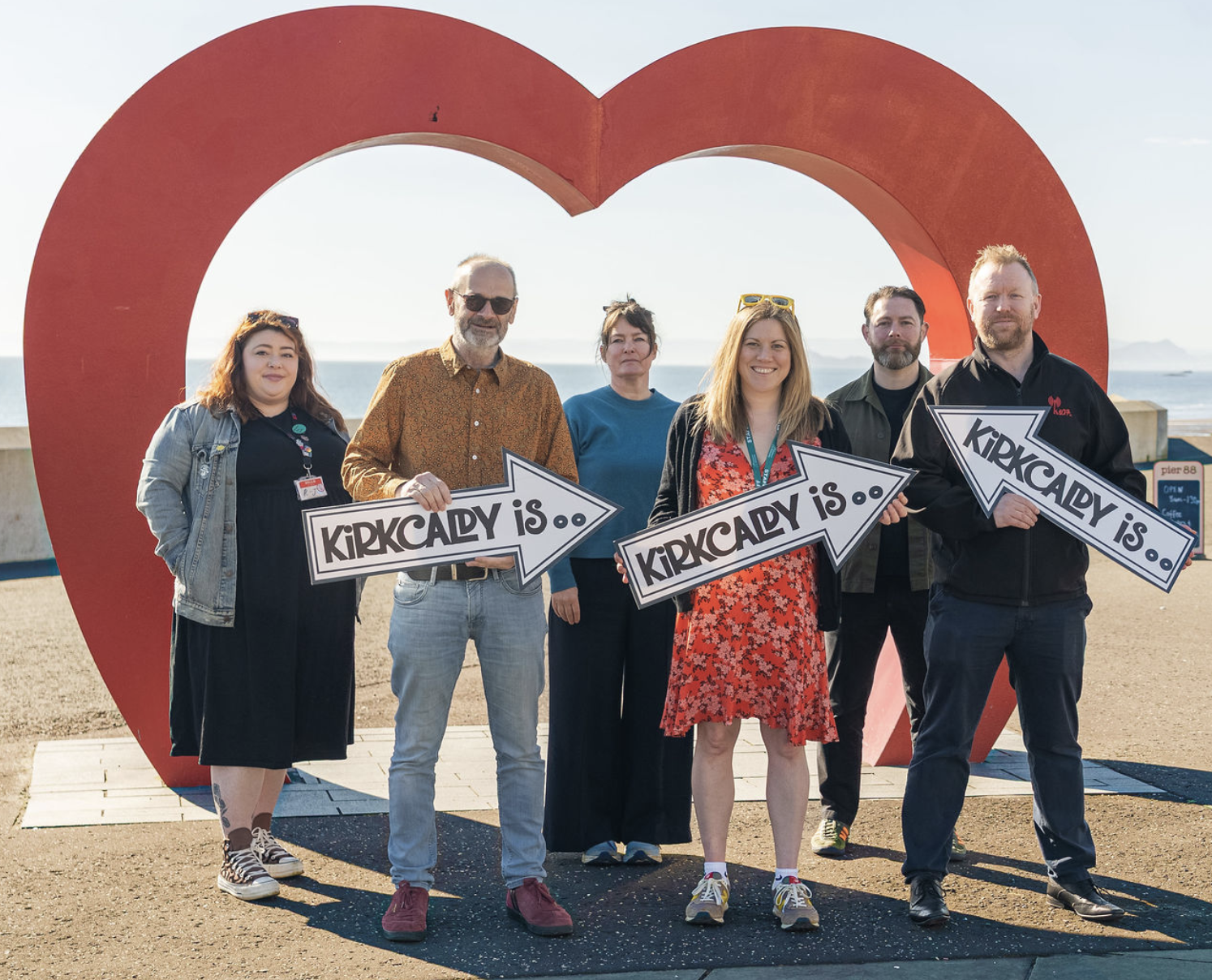
A key feature of the approach is its place-based model, with activity shaped at a local level and brought together to inform regional priorities. Three pilot areas—Dunfermline, Kirkcaldy and North East Fife—have led the way, developing local “micro-strategies” that reflect the needs and opportunities within their communities. This ensures that the strategy is grounded in grassroots activity while benefiting from regional coordination and support.
Across these pilot areas, the strategy is already supporting a range of activity. In Kirkcaldy, partners are working together on cultural approaches to town centre regeneration, supporting young artists and developing new leadership pathways. In Dunfermline, activity is focused on community-led cultural development, including proposals for a new arts space and stronger links with education and creative career pathways. In North East Fife, culture is being used to support the renewal of local towns and strengthen community identity.
The impact of the work is already being seen through the development of new partnerships, funding opportunities and community-led initiatives. Examples include bids for significant external funding, the formation of networks of emerging artists and increased collaboration between organisations at local and regional level. This demonstrates how a coordinated cultural approach can unlock wider social and economic benefits.
A key strength of the strategy is the link between local activity and strategic leadership. A regional leadership group brings together key partners to align policy, funding and delivery, while a dedicated coordinator supports collaboration across pilot areas. This joined-up structure helps maximise impact, share learning and build capacity across the cultural sector.
The project directly supports the Plan for Fife priorities of community wealth building, addressing the climate emergency and tackling poverty and preventing crisis. It also contributes to a wide range of ambitions, including improving wellbeing, strengthening town centres, increasing employment opportunities and ensuring communities are actively involved in shaping local services. By recognising culture as a key part of community development, the strategy supports more vibrant, resilient and inclusive places.
Looking ahead, partners will continue to build on the pilot areas, with plans to scale the approach across all seven localities in Fife. Ongoing engagement, shared learning and investment in coordination will support the continued development of the strategy, ensuring that cultural activity remains a central part of how communities grow, connect and thrive.