Some cookies used are essential to providing a service, while others help us improve your experience and provide us with insights into how the site is being used.
For more detailed information about the cookies we use, see our Cookies page.
Necessary cookies enable core functionality such as security, network management, and accessibility. You may disable these by changing your browser settings, but this may affect how the website functions.
We'd like to set Google Analytics cookies to help us to improve our website by collecting and reporting information on how you use it. The cookies collect information in a way that does not directly identify anyone. For more information on how these cookies work, please see our 'Cookies page'.
We'd like to allow Social Media cookies to provide a richer experience. These cookies will allow us the ability to list Fife Council tweets and Facebook posts, Google maps, audio clips & Videos on some of our pages. Our videos use Youtube's privacy-enhanced mode.
These cookies allow us to show relevant adverts to the content you are viewing. They also provide the ability to deliver targeted online advertising across other platforms like Facebook, Google, Instagram and the Quantcast network.
During 2025/26, partners progressed the regeneration of Ravenscraig Walled Garden in Dysart, transforming a long-derelict site into a vibrant community space with a strong focus on skills, employability and heritage. Delivered through a partnership involving Fife Council, Rural Skills Scotland, Fife Historic Buildings Trust and local community groups, the project brings together heritage restoration with practical training and community use.
The £1.3 million project has been supported by a range of funding sources, including the Scottish Government’s Vacant and Derelict Land Fund and the Crown Estate. Work has focused on restoring historic buildings using traditional methods, while creating new spaces that support both training provision and wider community activity.
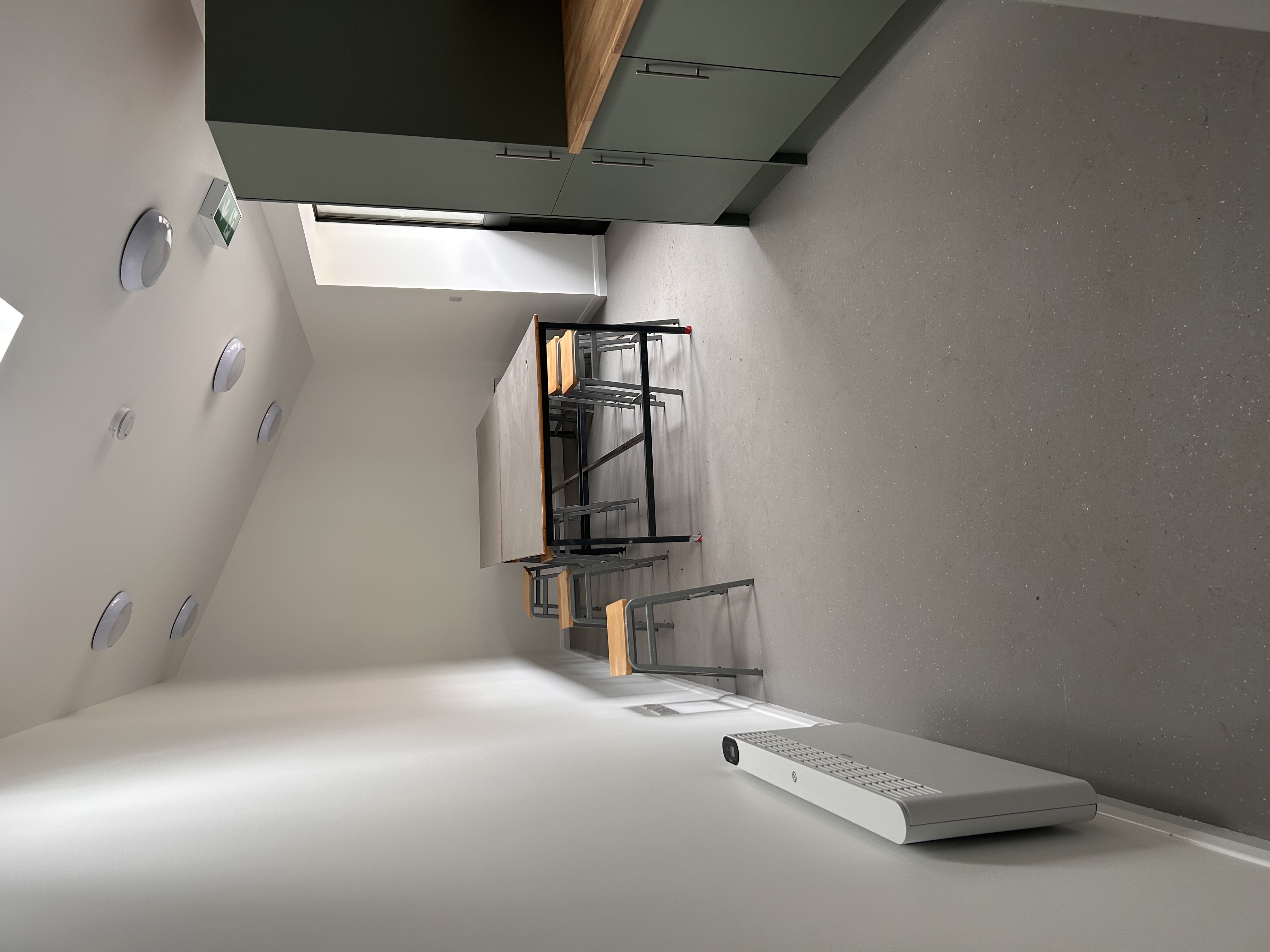
A key element of the project is the development of a Skills Hub by Rural Skills Scotland on the former plant nursery site, which had been derelict for over 15 years. The area has been redeveloped to provide training rooms, workshop space and an outdoor learning environment, supporting Modern Apprenticeships and employability programmes in land-based industries.
Alongside this, Fife Historic Buildings Trust has led the restoration of historic stone sheds and boundary walls, bringing previously unsafe structures back into use. These buildings now provide functional space for community use and contribute to creating a welcoming and cohesive entrance to the site. A new greenhouse, based on traditional designs, is also nearing completion, restoring a key historic feature while expanding growing space for community use.
The impact of the project is already being seen across multiple areas. Rural Skills Scotland has expanded its workforce and is supporting trainees through programmes such as Grounds for Growth, with participants gaining hands-on experience in a live working environment. In the last year alone, trainees have progressed into employment opportunities and contributed directly to the ongoing development of the site.
The project has also created wider community benefits. Local groups now have access to secure storage and shared facilities, while the site provides a welcoming space for visitors, volunteers and community events. The integration of skills training with community activity has strengthened local engagement and created new opportunities for learning, volunteering and collaboration.
The regeneration directly supports the Plan for Fife priorities of community wealth building, addressing the climate emergency and tackling poverty and preventing crisis. It also contributes to ambitions around improving wellbeing, supporting employment, enhancing local places and increasing community involvement in service delivery. By bringing a neglected space back into productive use, the project demonstrates how investment in place can deliver lasting social, economic and environmental benefits.
Looking ahead, partners will continue to build on this work by exploring further investment opportunities and expanding the use of the site. Ongoing development will focus on increasing training provision, supporting community activity and ensuring the long-term sustainability of the Walled Garden as a valued local asset.