Some cookies used are essential to providing a service, while others help us improve your experience and provide us with insights into how the site is being used.
For more detailed information about the cookies we use, see our Cookies page.
Necessary cookies enable core functionality such as security, network management, and accessibility. You may disable these by changing your browser settings, but this may affect how the website functions.
We'd like to set Google Analytics cookies to help us to improve our website by collecting and reporting information on how you use it. The cookies collect information in a way that does not directly identify anyone. For more information on how these cookies work, please see our 'Cookies page'.
We'd like to allow Social Media cookies to provide a richer experience. These cookies will allow us the ability to list Fife Council tweets and Facebook posts, Google maps, audio clips & Videos on some of our pages. Our videos use Youtube's privacy-enhanced mode.
These cookies allow us to show relevant adverts to the content you are viewing. They also provide the ability to deliver targeted online advertising across other platforms like Facebook, Google, Instagram and the Quantcast network.
During 2025/26, Fife Council worked in partnership with the Scottish Community Tourism Organisation (SCOTO), the Fife Pilgrim Way Partnership, local community groups and council teams including Tourism, Communities and Climate Change to support a series of Press Pause workshops designed to help communities take a more active role in shaping tourism within their local areas.
Many communities experience tourism as something that happens around them rather than something they can influence or benefit from directly. The Press Pause programme was developed to help communities explore the opportunities and challenges associated with tourism, identify local priorities and consider how visitor activity can contribute positively to community wellbeing, local economies and place development.
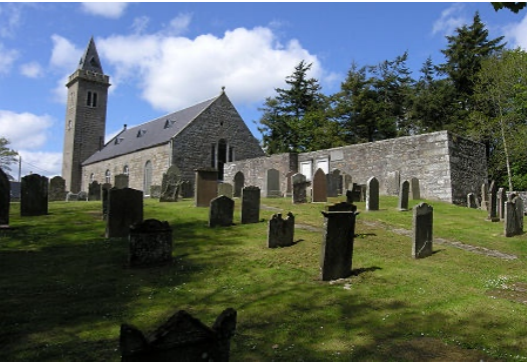
The initiative focused on communities located along the Fife Pilgrim Way, with particular interest in supporting churches and heritage assets that play an important role in the visitor experience. Working together, partners delivered workshops in Dunfermline, Ceres, Markinch, St Andrews and Culross, with an additional session taking place in Kirkcaldy in partnership with Greener Kirkcaldy. The workshops explored themes including destination development, visitor management, environmental sustainability and community participation.
Each participating community benefited from an independent appraisal of their area, including online assessment and an in-person destination review. This was followed by facilitated workshops that encouraged participants to discuss what was working well locally, identify areas for improvement and explore opportunities to strengthen their tourism offering. The process enabled communities to consider tourism through the lens of local priorities rather than solely as a visitor-focused activity.
The workshops resulted in detailed reports for each locality, highlighting strengths, opportunities and recommended actions for future development. These reports provide communities and partners with a practical framework for improving local tourism experiences while ensuring that development reflects community aspirations and supports sustainable outcomes.
A key strength of the programme has been its collaborative approach. By bringing together local residents, community organisations, tourism specialists and council services, the project has created opportunities for shared learning and collective decision-making. This has helped communities develop a greater understanding of their tourism potential while ensuring that future activity is informed by local knowledge and experience.
Although the project is still in its early stages, the resulting action plans are already helping to shape future priorities. Community representatives and council officers are now working together to review recommendations, identify achievable actions and embed outcomes within wider local and regional plans. This approach will help ensure that future tourism development is community-led, sustainable and aligned to local needs.
The project supports the Plan for Fife priority of Community Wealth Building and Leading Economic Recovery and contributes to ambitions around creating attractive places to live, work and visit, while increasing visitor numbers and tourism activity across Fife. By helping communities take ownership of tourism development in their area, the programme is supporting a more inclusive approach to destination management and ensuring that the benefits of tourism can be shared more widely.
Looking ahead, partners will continue working with communities along the Fife Pilgrim Way and beyond to deliver the recommendations identified through the Press Pause process. By combining community knowledge with specialist support and strategic planning, the programme is helping communities shape the future of tourism in their area and maximise the opportunities that visitor activity can bring to local places, people and economies.