Some cookies used are essential to providing a service, while others help us improve your experience and provide us with insights into how the site is being used.
For more detailed information about the cookies we use, see our Cookies page.
Necessary cookies enable core functionality such as security, network management, and accessibility. You may disable these by changing your browser settings, but this may affect how the website functions.
We'd like to set Google Analytics cookies to help us to improve our website by collecting and reporting information on how you use it. The cookies collect information in a way that does not directly identify anyone. For more information on how these cookies work, please see our 'Cookies page'.
We'd like to allow Social Media cookies to provide a richer experience. These cookies will allow us the ability to list Fife Council tweets and Facebook posts, Google maps, audio clips & Videos on some of our pages. Our videos use Youtube's privacy-enhanced mode.
These cookies allow us to show relevant adverts to the content you are viewing. They also provide the ability to deliver targeted online advertising across other platforms like Facebook, Google, Instagram and the Quantcast network.
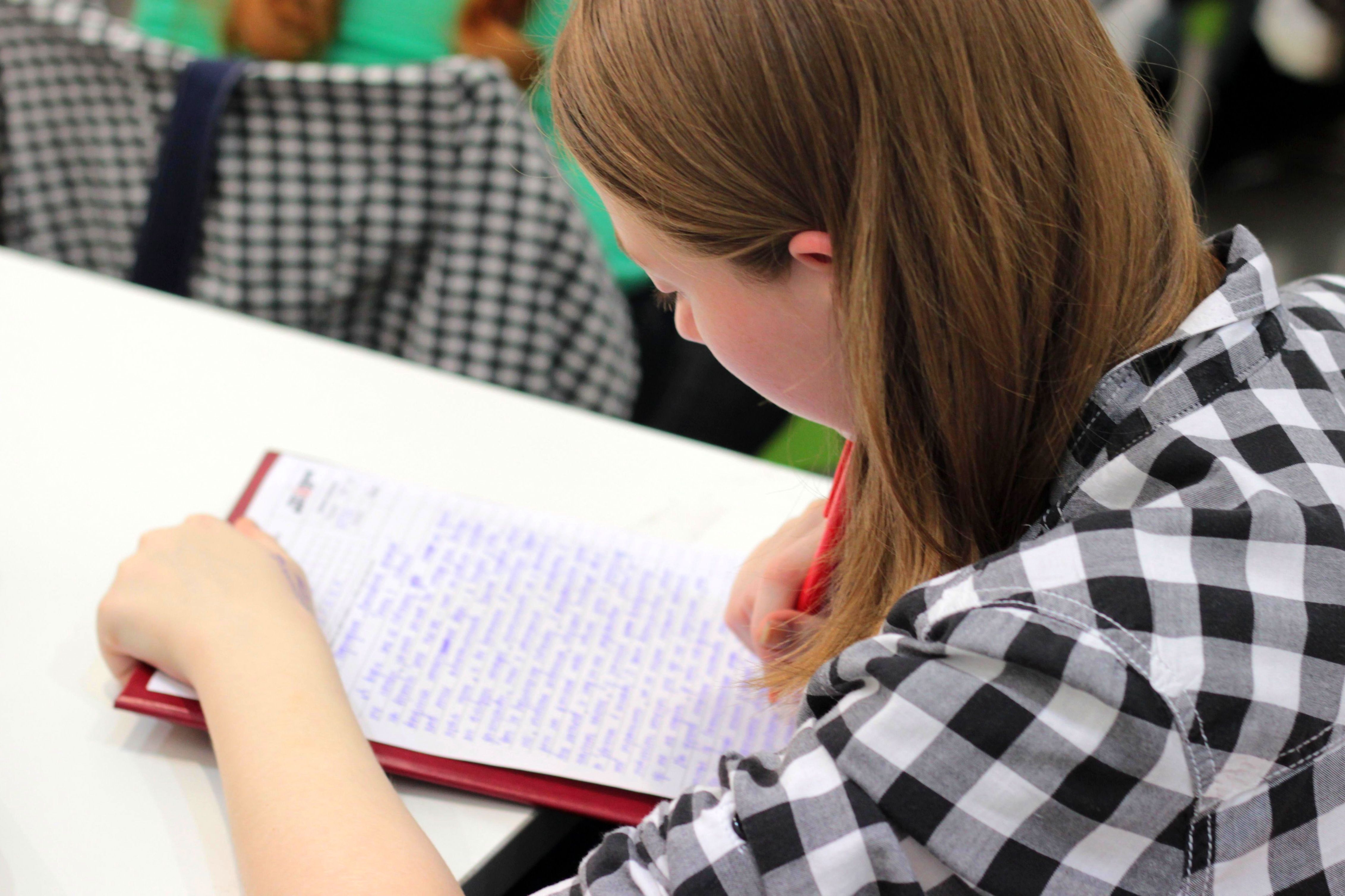
During 2025/26, Fife Council's Youth Work service continued to provide a wide range of informal learning opportunities that supported young people's social, emotional and educational development. Delivered within local communities and schools, youth work programmes helped young people build confidence, develop skills, strengthen relationships and achieve positive outcomes through participation in activities tailored to their needs and interests.
Youth work plays an important role in supporting young people to navigate challenges, realise their potential and develop the skills needed for future learning, employment and life. Throughout the year, a combination of universal and targeted programmes was delivered, including weekly youth clubs, school-based interventions, issue-based programmes, digital learning opportunities, employability support, activities addressing antisocial behaviour, and opportunities for young people to gain nationally recognised awards and qualifications.
Partnership working with schools and communities remained central to delivery. Programmes were designed to support young people at key stages in their education, including transition activities helping pupils move successfully from primary to secondary school. Young people were also supported to have their voices heard through youth action groups and participation activities, including support for Members of the Scottish Youth Parliament and other youth-led initiatives.
The impact of youth work was evident in the experiences of young people taking part. Feedback from schools highlighted improved motivation, increased attendance and stronger engagement in learning among participants. Young people demonstrated growth in confidence, resilience and relationship-building skills, helping to equip them with important life skills that support future success. Participants described feelings of pride, achievement and personal growth as they completed challenges and worked towards individual goals.
Youth work programmes also helped strengthen inclusion and wellbeing. Families reported positive outcomes including reduced stress, increased confidence among young people and improved social skills. Participants highlighted a stronger sense of belonging and connection to their communities, demonstrating the value of safe and supportive spaces where young people can learn, socialise and build positive relationships.
Targeted support continued to make a significant difference for vulnerable young people. Feedback from unaccompanied asylum-seeking children highlighted improvements in wellbeing, confidence and language skills, alongside reduced feelings of isolation. These outcomes demonstrate how youth work can help young people overcome barriers, build social networks and access opportunities within their communities.
During the year, 4,370 children and young people participated in Fife Council youth work activities. A further 931 young people engaged in school-based programmes, while 288 took part in 16+ programmes supporting progression into further learning, training, employment and positive destinations. These figures demonstrate the breadth of youth work provision and its ability to engage young people across a range of ages, backgrounds and circumstances.
Achievement and recognition remained an important part of delivery. Across the year, 232 young people achieved a total of 569 accredited awards and qualifications. These achievements helped participants gain recognition for their skills, learning and personal development while building confidence and creating pathways into further education, training and employment.
This work supports the Plan for Fife priority of Tackling Poverty and Preventing Crisis and contributes to ambitions around reducing poverty, improving educational attainment and ensuring access to high-quality learning and leisure opportunities. By helping young people develop skills, confidence and aspirations, youth work supports positive outcomes for individuals while contributing to stronger, more resilient communities.
Looking ahead, youth work will continue to provide inclusive and accessible opportunities that enable young people to develop their talents, influence decisions and achieve their goals. By building on existing partnerships with schools, communities and young people themselves, the service will continue to support personal growth, positive destinations and improved life chances for young people across Fife.